

~Blog by Avery of Sacred Visions Studio~
Making a comic is a full-time commitment. Creating just over 50 pages took me almost an entire year. Obviously, the amount of detail you put into your art matters, along with other elements such as whether you include color, whether it’s digitally or traditionally drawn, and the length and number of pages in the book. Any of these factors—and more—can influence how complicated your work becomes and how much effort you need to invest in your project.
Comic making is hard and not easy. I don’t want to pretend it’s simple, but it is fulfilling. If you truly want to tell stories through this medium, I believe you should pursue it, but you must understand the cost and energy involved in the process.
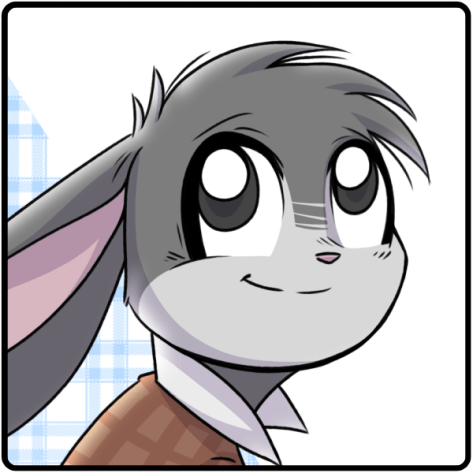
I am currently working on a webcomic series titled Gingerberry. It is an all-ages series that is both heartwarming and deeply emotional. I’ve been developing this comic for ten months and have completed over 50 pages—crazy to say, right? That means I’ve been producing more than a page a week, and I’m very proud of how it’s turning out so far. I’m excited to continue working on it.
However, as I’ve mentioned, making a comic can be draining. I don’t see much sunlight—I sit next to a window, but this kind of work can be very taxing and lonely.
If this is your first time making a comic, I have a few pieces of advice I’d like to share, and I hope you consider them. That said, nothing I say is absolute fact—these are just my thoughts, advice based on personal experience.
First: Stay focused and committed until the very end. Finish what you start and resist the temptation to abandon your project halfway through. Many creators aren’t prepared for the journey ahead—they don’t anticipate the lows of comic-making—and because of this, they give up too soon. The best way to avoid this is by starting small. Don’t aim to create a 100-page epic right away. Instead, make something short, simple, and manageable. Many artists overlook this, but trust me: you have to start small if you want to build up to bigger projects. How can you expect to finish 100 pages if you haven’t completed ten? How can you create a multi-chapter series if you haven’t finished a short story? Build confidence by finishing small projects you’re proud of. This builds trust in yourself, courage, and lays the foundation for larger work.
A few years ago, I made a 10-page comic—including the cover. It wasn’t my dream project, nor the story I truly wanted to tell, but I finished it and was proud of it. It taught me a lot, gave me experience, and added to my portfolio.
When I wanted to work on a project I was genuinely passionate about, I didn’t start immediately. I didn’t have a script or a finished story—just an idea, characters, and a vibe. That wasn’t enough to create a full story. It would’ve been foolish to try to make a 100+ page story from just that. Instead, I built trust in my idea by making a short, unrelated comic—a proof of concept. After completing this 18-page comic, I gained confidence and motivation to create the real project.
This proof of concept also revealed the weak points in my art. You can see how much my skills improved from that initial short to my final comic.
My advice: Make a short comic, finish it, learn from it, and then build from there. You need to develop trust in yourself before you attempt a long series.
Second: I strongly believe you should write a script for your comic. I say “should” because some people can get away without one, but for me, as someone who easily goes off track, has too many ideas, or is a perfectionist, a script acts as a blueprint that keeps me focused. The more focused I am, the easier it is to draw each page.
Try to offload all your mental work before you start drawing. If you’re working on a long story, it’s understandable not to have everything scripted out—an outline and a clear idea of the ending are enough. But if you’re working on a short story or a single chapter, finish the script before you start drawing. You can make minor adjustments later, but don’t restructure it mid-process. Get the script to a point where you’re happy with it and stick to it. Making decisions and following through on them is part of the creative process. It brings order to chaos. You might feel tempted to go back and change things after you’ve started drawing, but try not to.
That’s why I recommend making a short, inconsequential story first—you don’t want to spend months working on a project only to realize you want to change it later. Comics, plus animation, are the most difficult to modify after the fact. So, plan ahead: script your story, thumbnail each page, and it will make the entire process much easier and less stressful.
Also, know your theme and your ending. These act as your guiding lights—knowing your endpoint helps you visualize the finish line, and your theme will keep your story on track toward that conclusion.
Finally: There’s a paradox I want to mention: Don’t take things too seriously, but also, put your everything into your work. It might sound contradictory, but let me explain. I understand that everyone has different reasons for making comics—some do it for fun, some to make a living, some seek success, and others just want to see their characters come to life. Regardless of your motivation, don’t take your work so seriously that it becomes a burden or disheartening. Most people will never care about your work as much as you do—that’s both liberating and, for some, disappointing.
So, enjoy the process. Have fun creating art for its own sake of it. Make something you want to see in the world. Don’t worry about perfection—nothing truly perfect exists. Create because you want to, because you enjoy it, and don’t let anyone take that away from you. That’s what I mean when I say put your everything into it: invest the passion and energy you want, as long as it doesn’t drain you. Make something because you genuinely want to, and because you love the process.
Don’t let your creativity die because your analytical mind demands perfection. Let your creativity breathe. It’s vital in a world that constantly tries to steal your attention. Creating comics and art—even just for yourself—is perfectly valid.
 Sacred Visions Studio